






Introduction to Reducing Flanges
Reducing Flanges are specially designed piping components used to connect pipes of different nominal sizes while maintaining a secure and pressure-rated flanged connection. They feature a larger flange outside diameter with a smaller bore, allowing a piping system to transition between different pipe sizes without installing a separate reducer and additional flange connections.
These flanges are widely used in oil and gas, petrochemical, chemical processing, power generation, water treatment, and industrial piping systems. Their compact design helps simplify pipeline layouts and can reduce the number of components required for a size transition. Reducing Flanges are selected according to the required pipe size, flange standard, pressure rating, material grade, facing type, and operating conditions.
Available in various sizes, pressure classes, materials, and facing configurations, Reducing Flanges can be manufactured to meet specific project requirements. Common material options include carbon steel, stainless steel, alloy steel, duplex steel, and other corrosion-resistant alloys suitable for demanding industrial services.
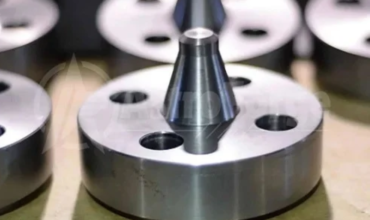
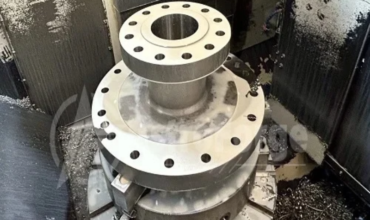
Reducing Flanges – Applications and Performance
Reducing Flanges are used where a direct transition between two different pipe sizes is required within a flanged piping system. By incorporating the reduction into the flange itself, they provide a compact connection arrangement and can eliminate the need for a separate reducer in certain applications. This integrated design can simplify piping layouts, reduce the number of components, and provide a convenient bolted connection for installation, inspection, maintenance, and future system modifications.
Reducing Flanges are available in various pipe size combinations, pressure classes, materials, and facing configurations to meet different industrial requirements. Common materials include carbon steel, stainless steel, alloy steel, duplex steel, and other suitable corrosion-resistant alloys. Proper selection should consider pipe sizes, pressure and temperature requirements, flange facing, gasket compatibility, material grade, fluid characteristics, and applicable piping standards. These flanges are widely used in oil and gas, petrochemical, chemical processing, refineries, power generation, water treatment, and other industrial piping systems.
| Reducing Flanges Specifications | |
|---|---|
| Size | Available in various larger flange sizes with a reduced bore size according to piping requirements |
| Pressure Class | Class 150, 300, 400, 600, 900, 1500 and 2500, where applicable |
| Standards | ASME B16.5, ASME B16.47 and other applicable international flange standards, depending on size and design |
| Flange Type | Flange with a reduced bore designed to connect a larger flanged connection to a smaller nominal pipe or bore size |
| Connection Type | Weld Neck, Slip-On, Threaded or other flange configurations, depending on the design and project requirements |
| Facing Type | Raised Face (RF), Flat Face (FF), Ring Type Joint (RTJ) and other applicable facing configurations |
| Reduction | Reduction from the larger flange bore to the required smaller bore or nominal pipe size |
| Manufacturing | Forged and machined from suitable flange-grade materials according to applicable specifications and project requirements |
| Surface Treatment | Anti-rust coating, oil coating, painting, galvanizing or other specified surface treatment, as applicable |
| Material Grades | |
| Carbon Steel | ASTM / ASME A105, A350 LF2 and other suitable carbon steel grades |
| Stainless Steel | ASTM / ASME A182 F304, F304L, F316, F316L, F321, F347 and other applicable grades |
| Alloy Steel | ASTM / ASME A182 F5, F9, F11, F22, F91 and other applicable alloy grades |
| Duplex Steel | ASTM / ASME A182 F51, F53, F55 and other suitable duplex grades |
| Nickel Alloys | Alloy 200, Alloy 400, Alloy 600, Alloy 625, Alloy 800, Alloy 825 and other applicable nickel alloys |
| Hastelloy | Hastelloy B, B2, C22, C276 and other grades according to service requirements |
Get the best quote today.
Product Categories
Flanges
Reducing Flanges Standards & Pressure Rating
| Reducing Flanges Standards & Pressure Rating | |
|---|---|
| ASME B16.5 | Applicable to reducing flange designs within the standard size and pressure-class limits for flanges and flanged fittings |
| ASME B16.47 | Applicable for certain large-diameter reducing flange configurations where Series A or Series B dimensions are specified |
| Pressure Classes | Class 150, 300, 400, 600, 900, 1500 and 2500, depending on the applicable standard, size and flange design |
| Reducing Flange Design | Designed with a larger flange connection and a reduced bore to accommodate a smaller pipe or connection size |
| Connection Options | Weld Neck, Slip-On or other specified flange configurations, depending on the piping design and project requirements |
| Facing Options | Raised Face (RF), Flat Face (FF), Ring Type Joint (RTJ) and other applicable facing configurations |
| European Standards | EN 1092-1 and other applicable European standards for flange dimensions, pressure designations and material groups |
| European Pressure Ratings | PN ratings vary according to the applicable EN standard, nominal size, material group and operating conditions |
| British Standards | Applicable BS and BS EN standards for flange dimensions, pressure ratings and piping connection requirements |
| Japanese Standards | Applicable JIS flange standards based on nominal size, flange configuration and pressure rating |
| Important Selection Factors | Larger flange size, reduced bore size, pressure class, material grade, facing type, gasket, service temperature and applicable piping code |
Reducing Flanges Dimensions
| ASME B16.5 Class 150 Reducing Flanges Dimensions (Inches) | ||||||
|---|---|---|---|---|---|---|
| NPS | Outside Diameter (OD) | Flange Thickness | Raised Face Diameter | Bolt Circle | Number of Bolt Holes | Bolt Hole Diameter |
| 1/2 | 3.50 | 0.44 | 1.38 | 2.38 | 4 | 0.62 |
| 3/4 | 3.88 | 0.50 | 1.69 | 2.75 | 4 | 0.62 |
| 1 | 4.25 | 0.56 | 2.00 | 3.12 | 4 | 0.62 |
| 1-1/4 | 4.62 | 0.62 | 2.50 | 3.50 | 4 | 0.62 |
| 1-1/2 | 5.00 | 0.69 | 2.88 | 3.88 | 4 | 0.62 |
| 2 | 6.00 | 0.75 | 3.62 | 4.75 | 4 | 0.75 |
| 2-1/2 | 7.00 | 0.88 | 4.13 | 5.50 | 4 | 0.75 |
| 3 | 7.50 | 0.94 | 5.00 | 6.00 | 4 | 0.75 |
| 4 | 9.00 | 0.94 | 6.19 | 7.50 | 8 | 0.75 |
| 5 | 10.00 | 0.94 | 7.25 | 8.50 | 8 | 0.88 |
| 6 | 11.00 | 1.00 | 8.50 | 9.50 | 8 | 0.88 |
| 8 | 13.50 | 1.12 | 10.88 | 11.75 | 8 | 0.88 |
| 10 | 16.00 | 1.19 | 13.38 | 14.25 | 12 | 1.00 |
| 12 | 19.00 | 1.25 | 15.75 | 17.00 | 12 | 1.00 |
| ASME B16.5 Class 300 Reducing Flanges Dimensions (Inches) | ||||||
|---|---|---|---|---|---|---|
| NPS | Outside Diameter (OD) | Flange Thickness | Raised Face Diameter | Bolt Circle | Number of Bolt Holes | Bolt Hole Diameter |
| 1/2 | 3.75 | 0.56 | 1.38 | 2.62 | 4 | 0.62 |
| 3/4 | 4.62 | 0.62 | 1.69 | 3.25 | 4 | 0.75 |
| 1 | 4.88 | 0.69 | 2.00 | 3.50 | 4 | 0.75 |
| 1-1/4 | 5.25 | 0.75 | 2.50 | 3.88 | 4 | 0.75 |
| 1-1/2 | 6.12 | 0.81 | 2.88 | 4.50 | 4 | 0.88 |
| 2 | 6.50 | 0.88 | 3.62 | 5.00 | 8 | 0.75 |
| 2-1/2 | 7.50 | 1.00 | 4.13 | 5.88 | 8 | 0.88 |
| ASME B16.5 Class 400 Reducing Flanges Dimensions (Inches) | ||||||
|---|---|---|---|---|---|---|
| NPS | Outside Diameter (A) | Flange Thickness (b) | Raised Face Diameter (D2) | Bolt Circle (D1) | Number of Bolt Holes (n) | Bolt Hole Diameter (d) |
| 1/2 | 3.75 | 0.56 | 1.38 | 2.62 | 4 | 0.62 |
| 3/4 | 4.62 | 0.62 | 1.69 | 3.25 | 4 | 0.75 |
| 1 | 4.88 | 0.69 | 2.00 | 3.50 | 4 | 0.75 |
| 1-1/4 | 5.25 | 0.81 | 2.50 | 3.88 | 4 | 0.75 |
| 1-1/2 | 6.12 | 0.88 | 2.88 | 4.50 | 4 | 0.88 |
| 2 | 6.50 | 1.00 | 3.62 | 5.00 | 8 | 0.75 |
| 2-1/2 | 7.50 | 1.12 | 4.13 | 5.88 | 8 | 0.88 |
| ASME B16.5 Class 600 Reducing Flanges Dimensions (Inches) | ||||||
|---|---|---|---|---|---|---|
| NPS | Outside Diameter (A) | Flange Thickness (b) | Raised Face Diameter (D2) | Bolt Circle (D1) | Number of Bolt Holes (n) | Bolt Hole Diameter (d) |
| 1/2 | 3.75 | 0.56 | 1.38 | 2.62 | 4 | 0.62 |
| 3/4 | 4.62 | 0.62 | 1.69 | 3.25 | 4 | 0.75 |
| 1 | 4.88 | 0.69 | 2.00 | 3.50 | 4 | 0.75 |
| 1-1/4 | 5.25 | 0.81 | 2.50 | 3.88 | 4 | 0.75 |
| 1-1/2 | 6.12 | 0.88 | 2.88 | 4.50 | 4 | 0.88 |
| 2 | 6.50 | 1.00 | 3.62 | 5.00 | 8 | 0.75 |
| 2-1/2 | 7.50 | 1.12 | 4.13 | 5.88 | 8 | 0.88 |
| ASME B16.5 Class 900 Reducing Flanges Dimensions (Inches) | ||||||
|---|---|---|---|---|---|---|
| NPS | Outside Diameter (A) | Flange Thickness (b) | Raised Face Diameter (D2) | Bolt Circle (D1) | Number of Bolt Holes (n) | Bolt Hole Diameter (d) |
| 1/2 | 4.75 | 0.88 | 1.38 | 3.25 | 4 | 0.88 |
| 3/4 | 5.12 | 1.00 | 1.69 | 3.50 | 4 | 0.88 |
| 1 | 5.88 | 1.12 | 2.00 | 4.00 | 4 | 1.00 |
| 1-1/4 | 6.25 | 1.12 | 2.50 | 4.38 | 4 | 1.00 |
| 1-1/2 | 7.00 | 1.25 | 2.88 | 4.88 | 4 | 1.12 |
| 2 | 8.50 | 1.50 | 3.62 | 6.50 | 8 | 1.00 |
| 2-1/2 | 9.62 | 1.62 | 4.13 | 7.50 | 8 | 1.25 |
| ASME B16.5 Class 1500 Reducing Flanges Dimensions (Inches) | ||||||
|---|---|---|---|---|---|---|
| NPS | Outside Diameter (A) | Flange Thickness (b) | Raised Face Diameter (D2) | Bolt Circle (D1) | Number of Bolt Holes (n) | Bolt Hole Diameter (d) |
| 1/2 | 4.75 | 0.88 | 1.38 | 3.25 | 4 | 0.88 |
| 3/4 | 5.12 | 1.00 | 1.69 | 3.50 | 4 | 0.88 |
| 1 | 5.88 | 1.12 | 2.00 | 4.00 | 4 | 1.00 |
| 1-1/4 | 6.25 | 1.12 | 2.50 | 4.38 | 4 | 1.00 |
| 1-1/2 | 7.00 | 1.25 | 2.88 | 4.88 | 4 | 1.12 |
| 2 | 8.50 | 1.50 | 3.62 | 6.50 | 8 | 1.00 |
| 2-1/2 | 9.62 | 1.62 | 4.13 | 7.50 | 8 | 1.25 |
| ASME B16.5 Class 2500 Reducing Flanges Dimensions (Inches) | ||||||
|---|---|---|---|---|---|---|
| NPS | Outside Diameter (A) | Flange Thickness (b) | Raised Face Diameter (D2) | Bolt Circle (D1) | Number of Bolt Holes (n) | Bolt Hole Diameter (d) |
| 1/2 | 5.25 | 1.19 | 1.38 | 3.50 | 4 | 0.88 |
| 3/4 | 5.50 | 1.25 | 1.69 | 3.75 | 4 | 0.88 |
| 1 | 6.25 | 1.38 | 2.00 | 4.25 | 4 | 1.00 |
| 1-1/4 | 7.25 | 1.50 | 2.50 | 5.13 | 4 | 1.13 |
| 1-1/2 | 8.00 | 1.75 | 2.88 | 5.75 | 4 | 1.25 |
| 2 | 9.25 | 2.00 | 3.62 | 6.75 | 8 | 1.13 |
| 2-1/2 | 10.50 | 2.25 | 4.13 | 7.75 | 8 | 1.25 |